
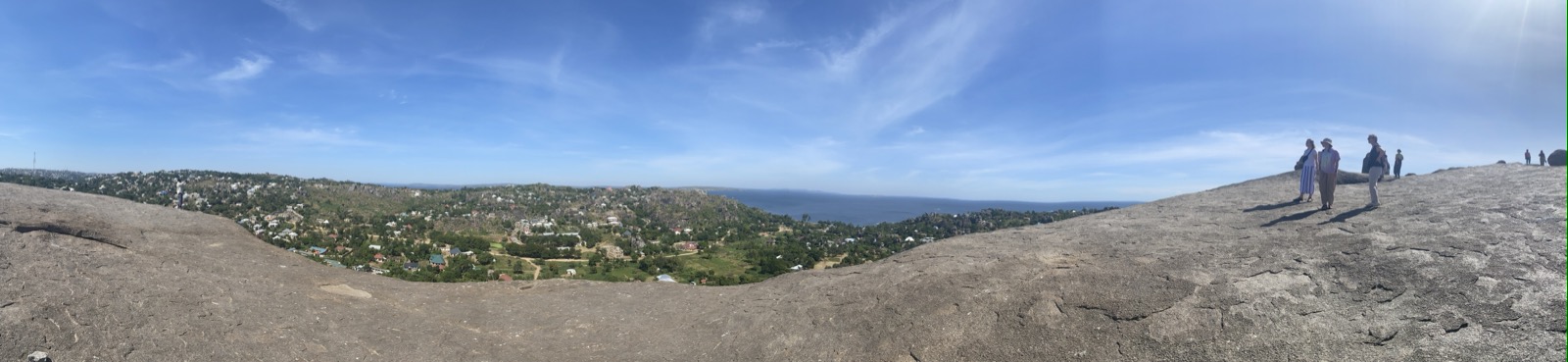
This Mercer On Mission program is in partnership with Mwanza Youth and Children Network, a Tanzanian nongovernmental organization that inspires youth and children to participate in the development process. The program will take place in Mwanza, Tanzania’s second largest city, which is located on the shores of Lake Victoria. While Mwanza is a modern city with good infrastructure, including public transportation, paved roads, running water, and tourist hotels and restaurants, there is tremendous income disparity between rich and poor. Many residents are unable to access primary health care, education and basic municipal services. Increasingly, pollution and environmental degradation offer new challenges.
Tanzania is one of the most vulnerable and unprepared countries for climate change, according to the World Bank. Working alongside Mwanza Youth and Children's Network, this Mercer On Mission program will support initiatives that encourage youth advocacy around the problem of climate change and its implications for environmental health. Since Tanzania is an extremely young country with more than 77% of the population under age 35, youth are uniquely poised to promote and implement change.
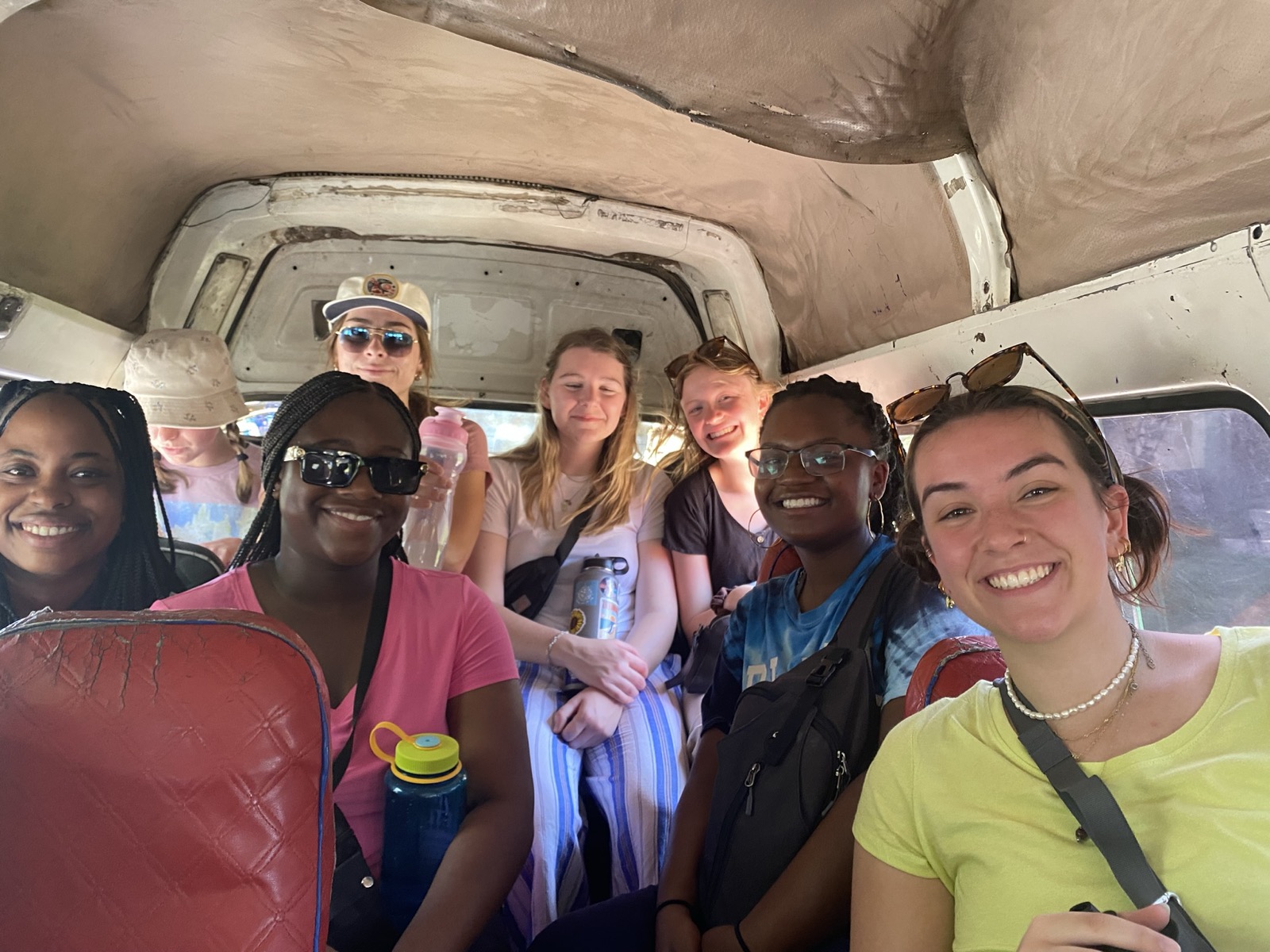
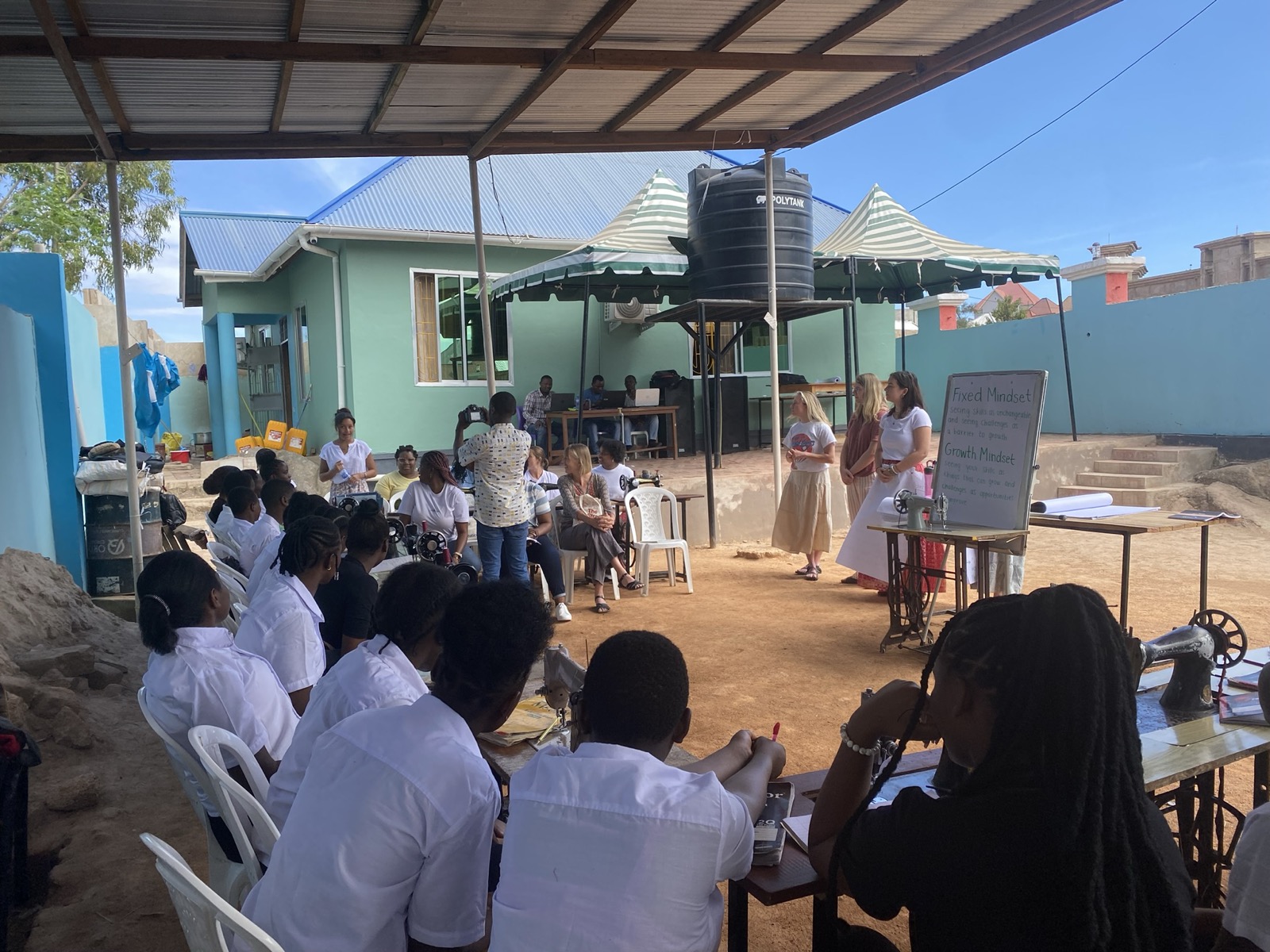
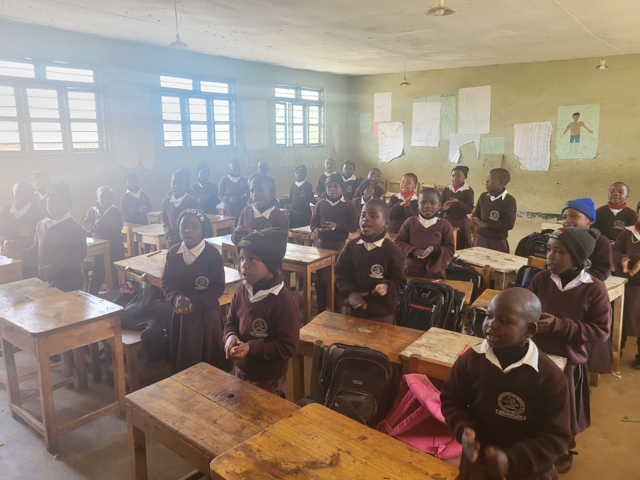
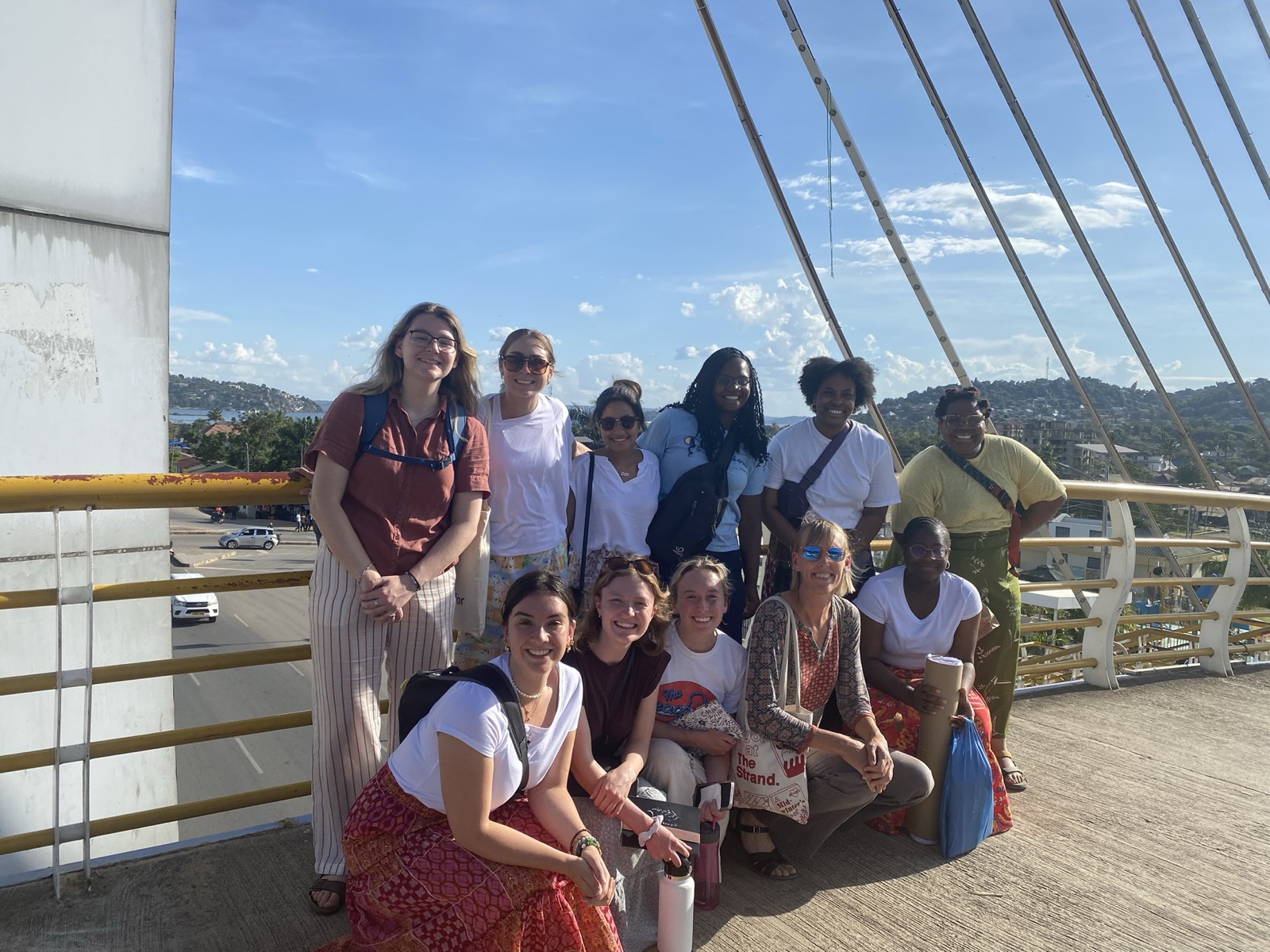
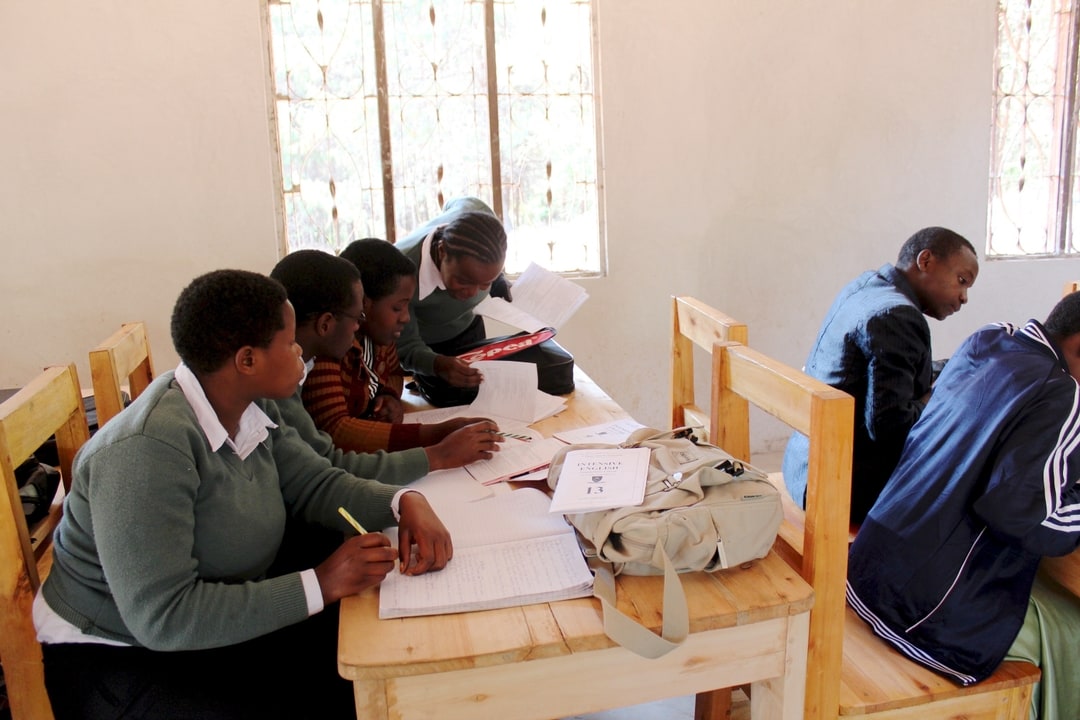
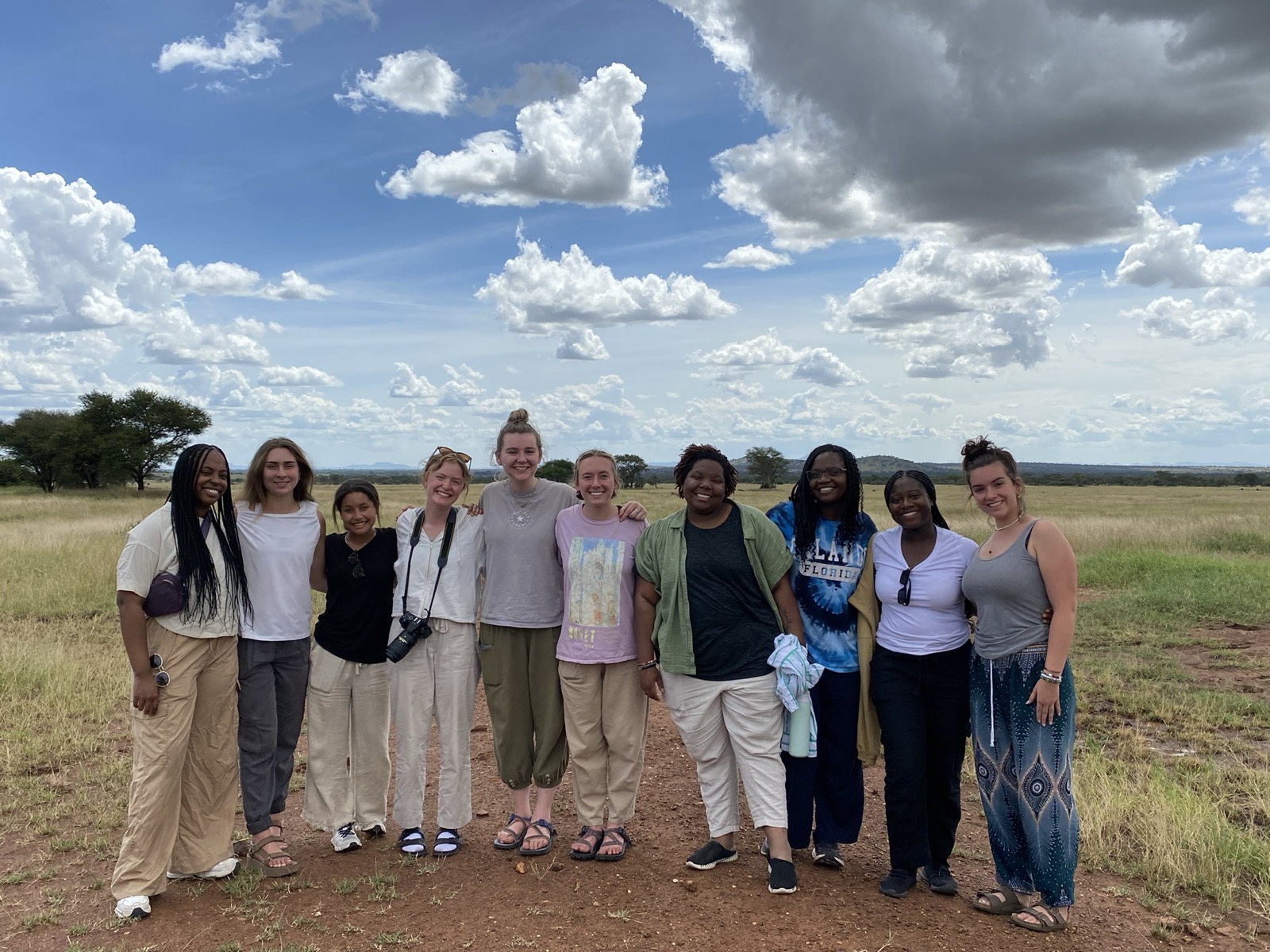
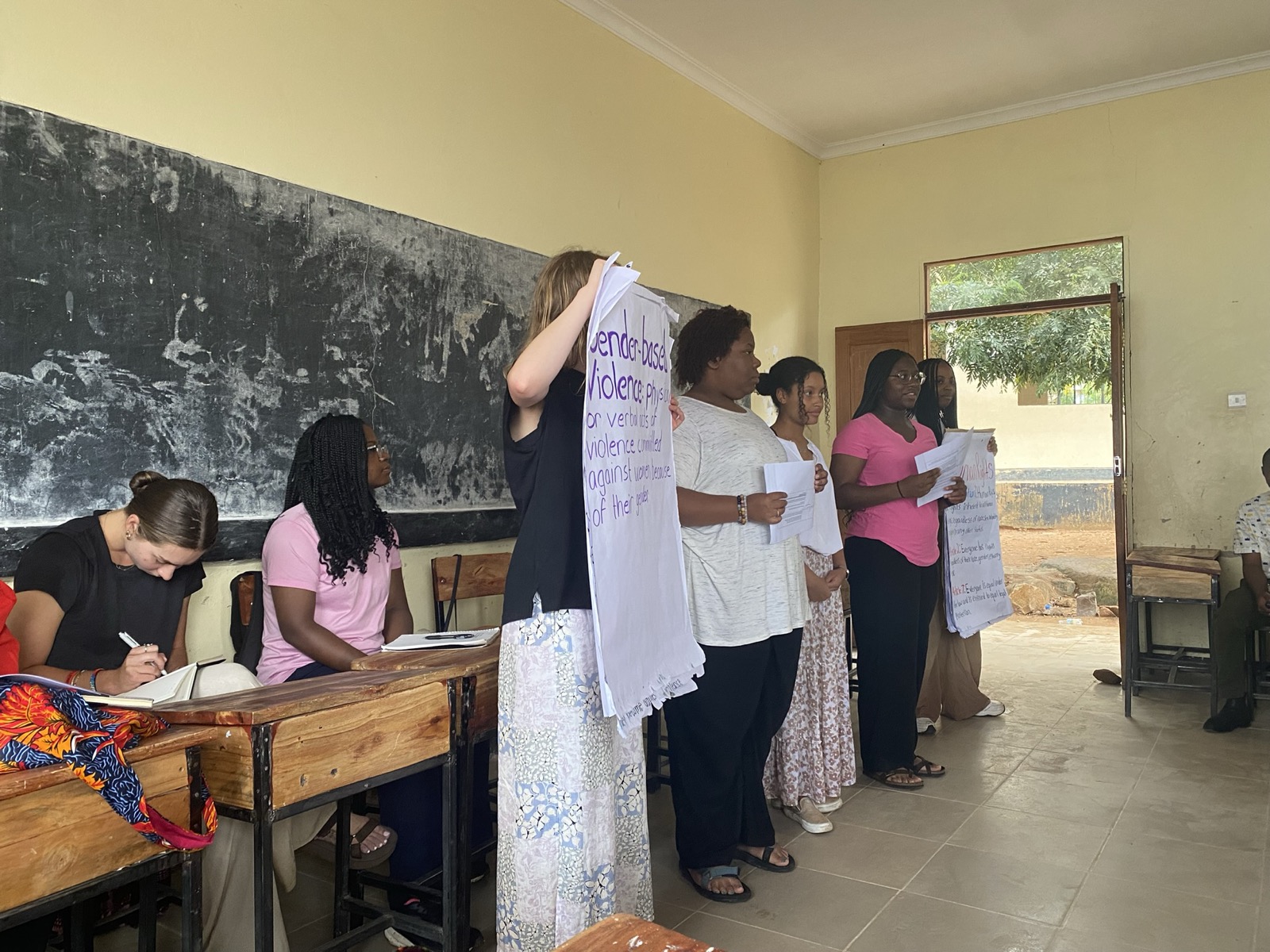

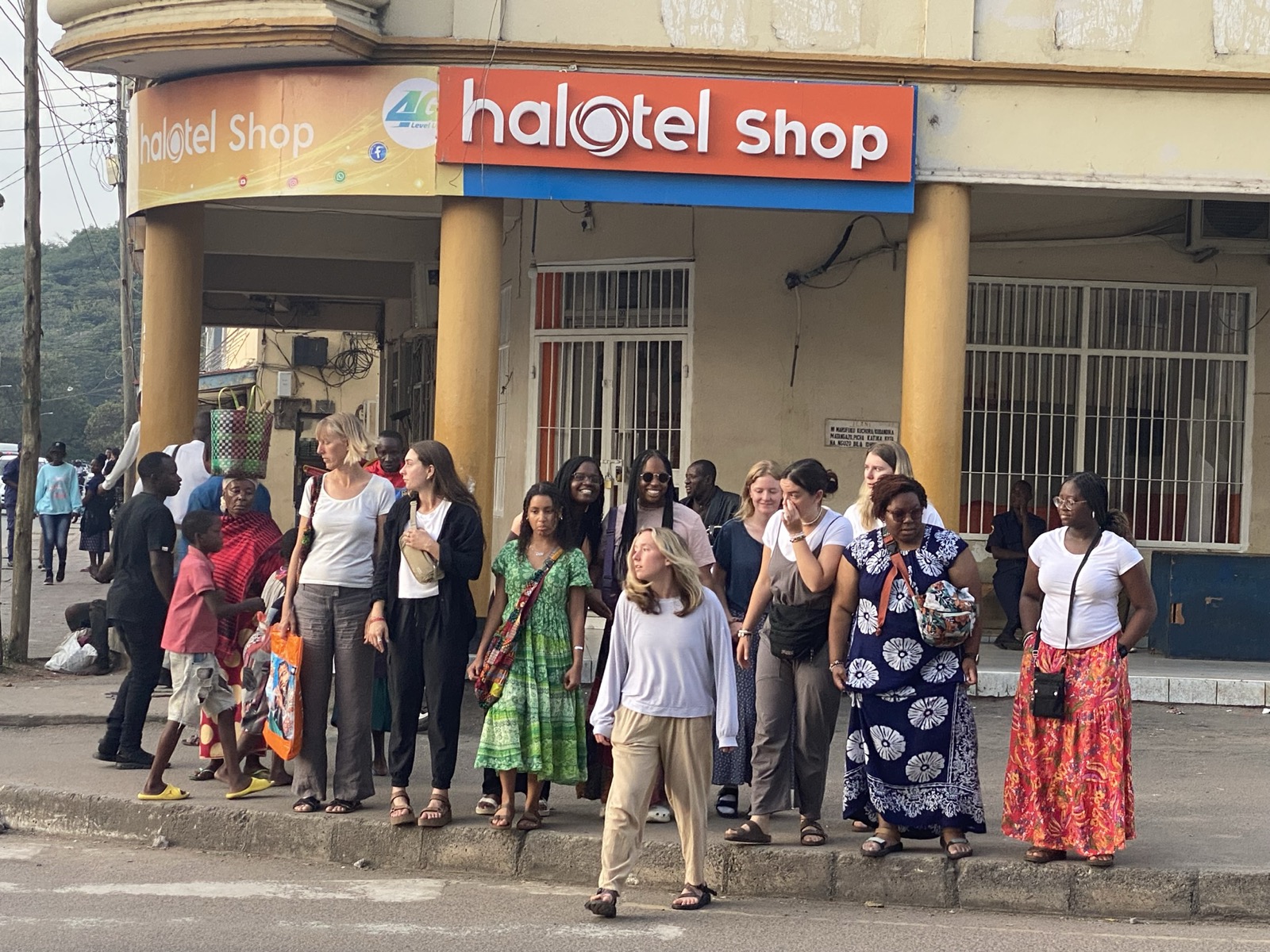
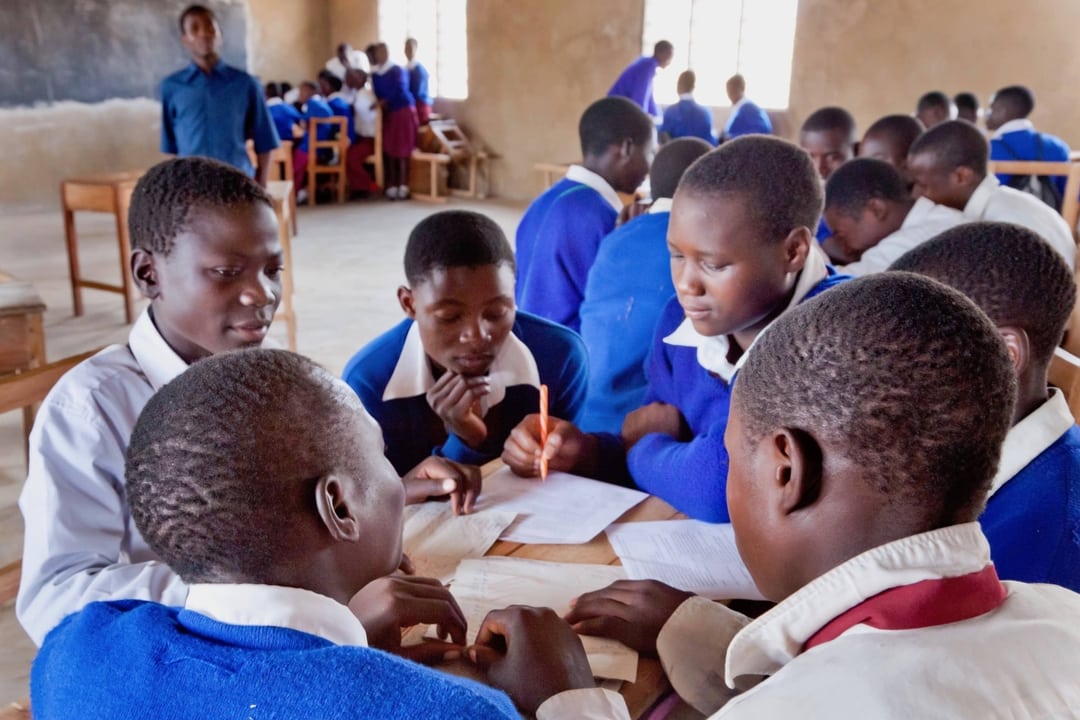

Students participating in this Mercer On Mission project will focus on:
Students will receive over 10 hours of training in the Kiswahili language to prepare them to interact with local hosts and explore Mwanza. They also will have the opportunity to learn and practice basic Kiswahili in Mwanza’s markets, try delicious food, visit rock formations, go boating on Lake Victoria, learn about Kisukuma culture, and experience at least one of Tanzania’s world-famous national parks.

Mercer On Mission in Tanzania allowed me to understand the trickle-down effects of larger health systems and development practices through direct immersion. I particularly appreciated how Dr. Bourdon and Dr. Nichols-Belo gave us adequate historical context about the location of our service-learning, and their teaching styles taught me how to avoid ethnocentrism when learning new concepts. Partnering with an NGO allowed me to see the importance and effectiveness of community-centered approaches.
Students are required to sign up for six hours of credit. The registrar will enroll you in courses for your program, including one class from each of the program's faculty.
